
003: Preserved for Future Misunderstanding
MATERIAL EVIDENCE
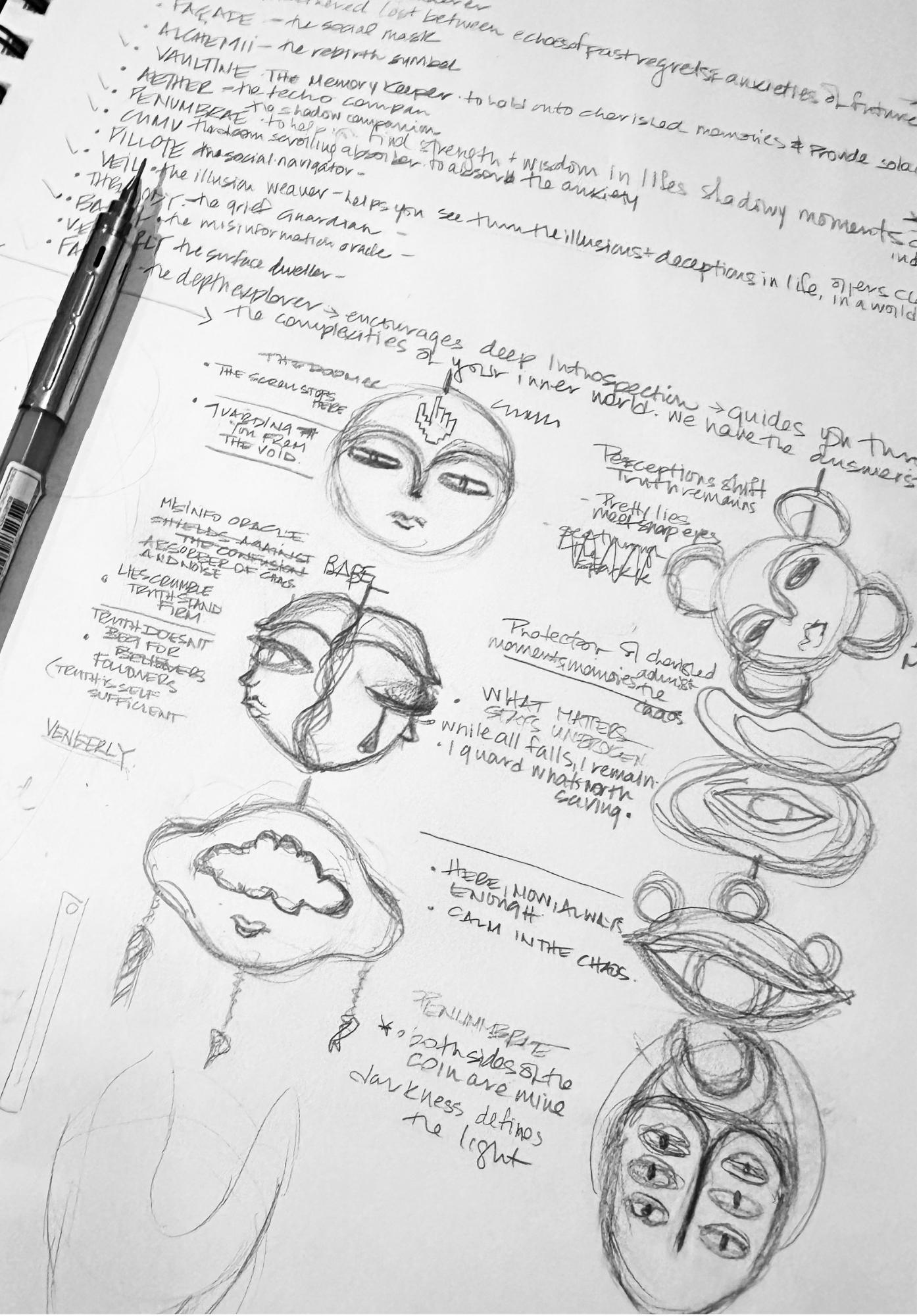
While looking through old material for the guidebook, I found this page from three years ago. It contains early Dreadlings, several names that survived and a considerable amount of crossed-out confidence.
I remember the project taking shape with much greater intention than the page suggests. Memory is generous that way.
At the time, this was not an archive. It was a working page I happened to keep. It became evidence later.
An archive is not the past intact. It is the past after selection, neglect, taste and several preventable losses. Someone decides what survives, someone else labels it, and eventually the result is called history.
Meaning, naturally, refuses to remain where it was filed.
OBSERVED ELSEWHERE
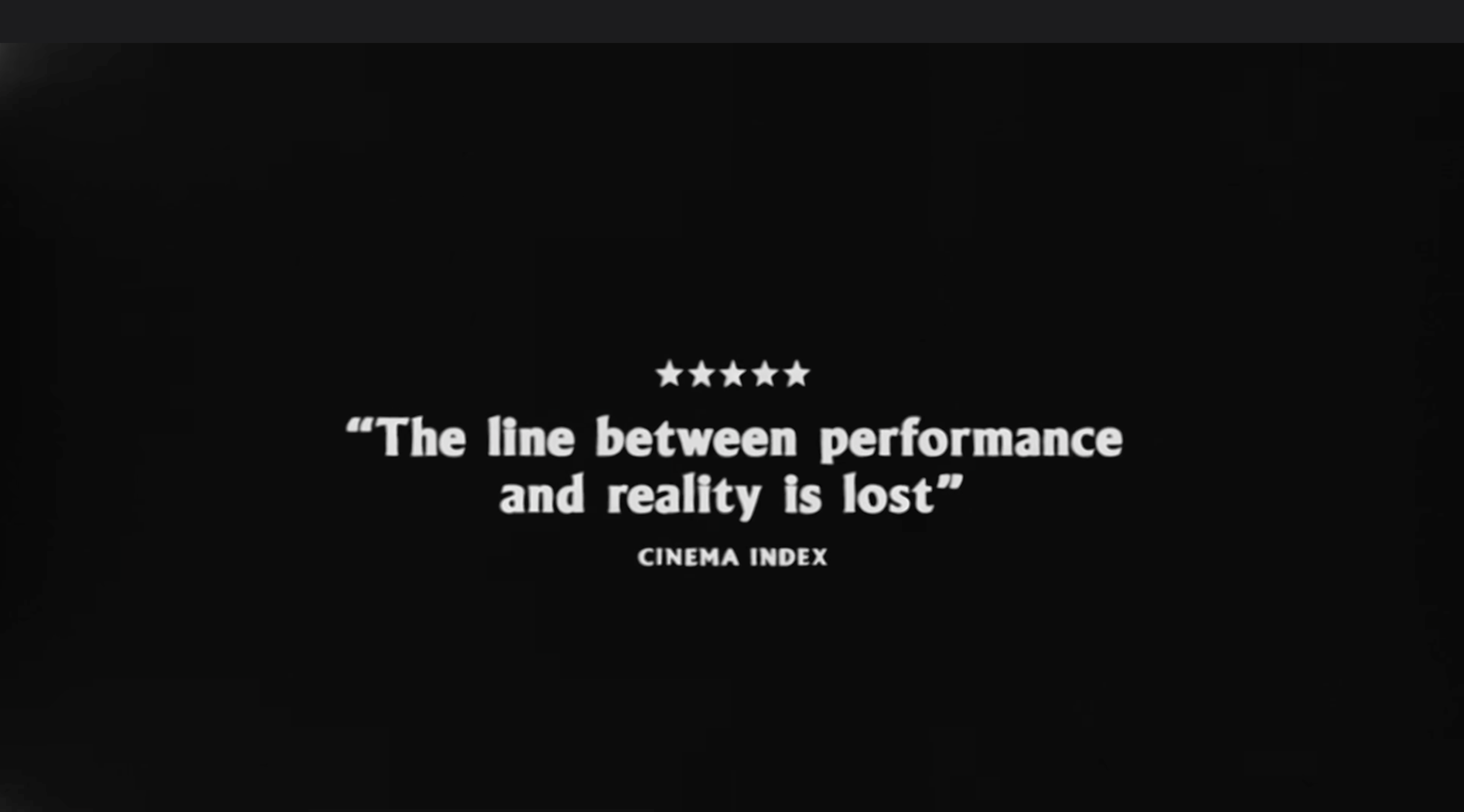
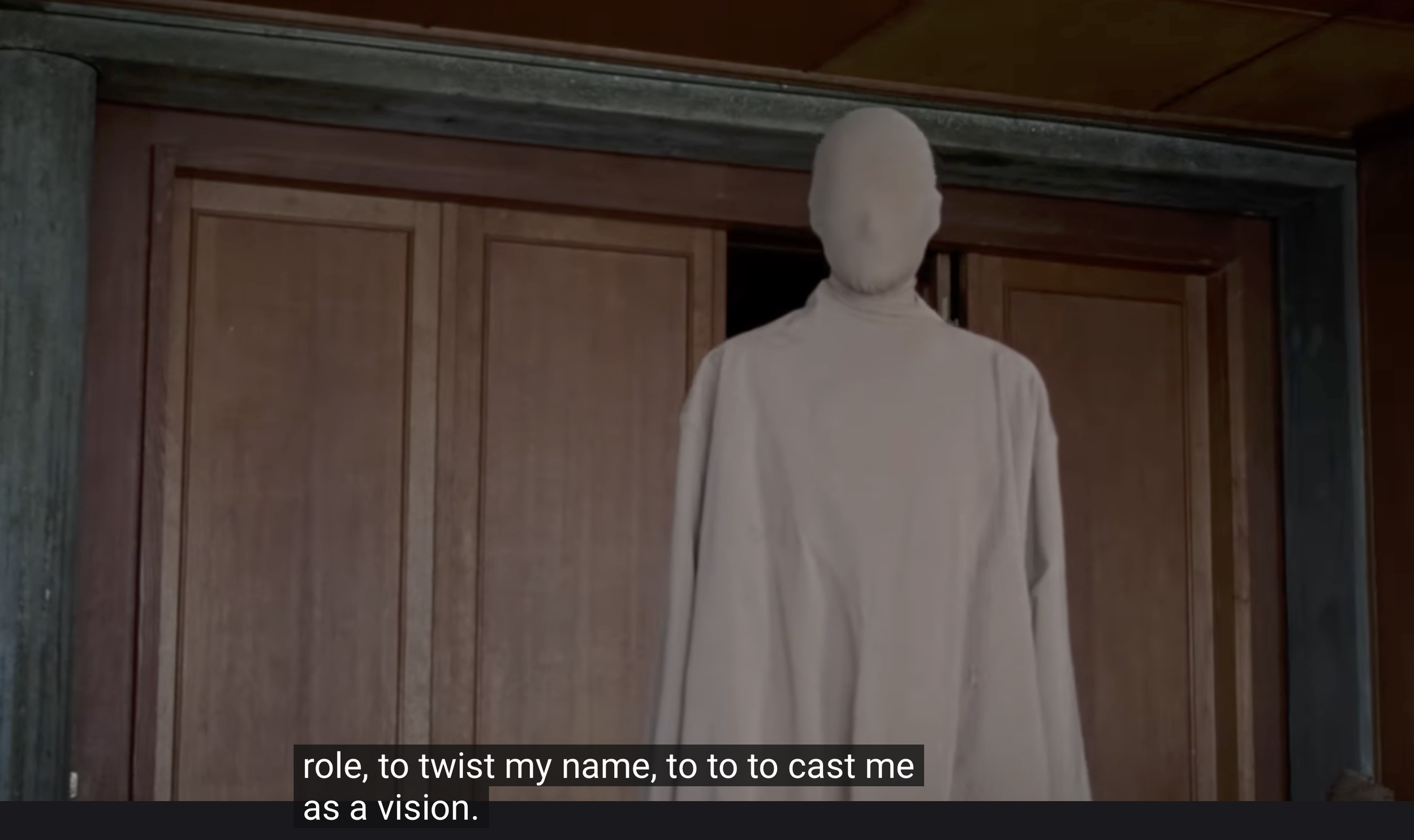
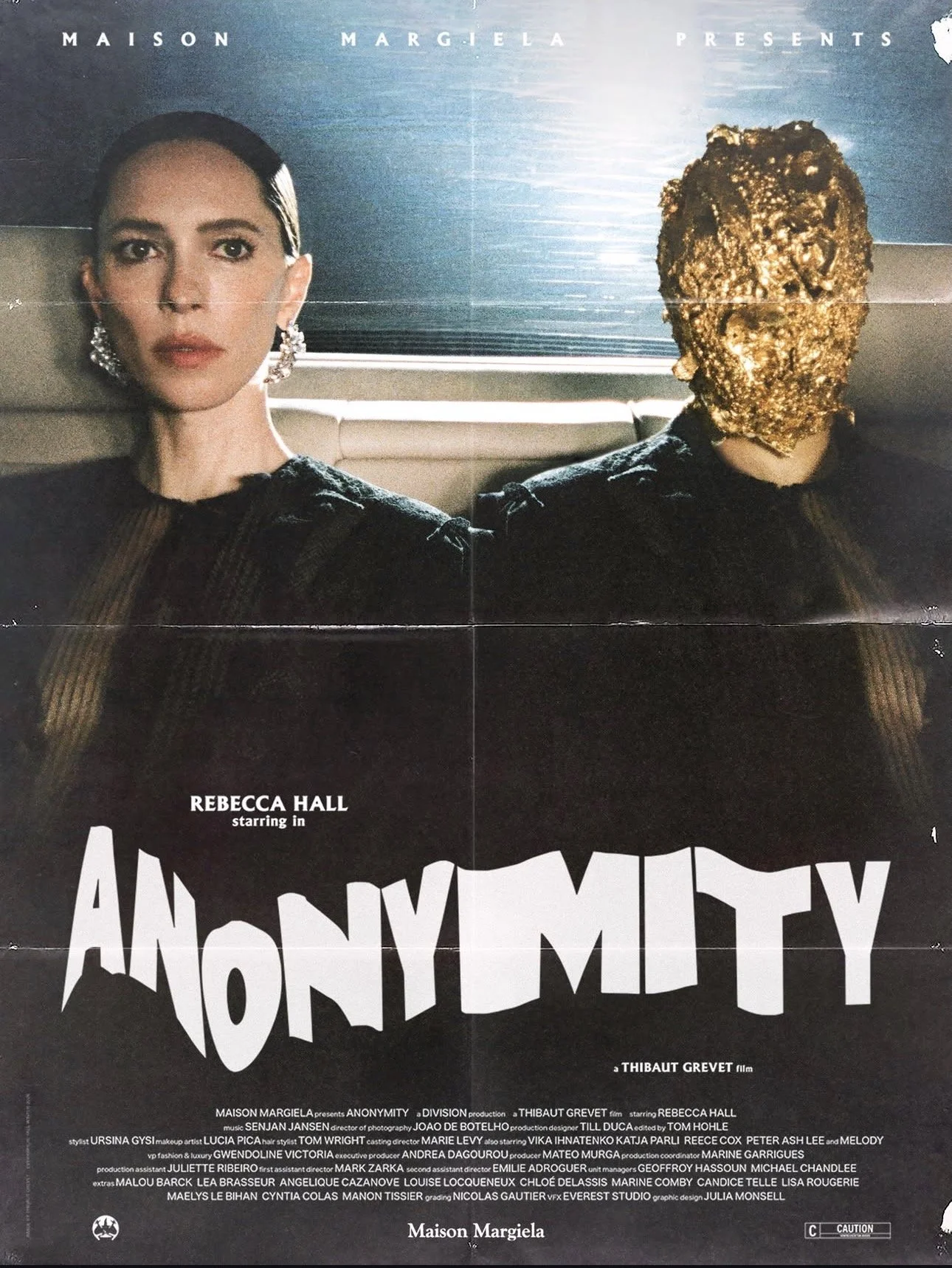
Fifteen years ago, I saw the Margiela mask as permission. Now I understand it as cultural history. Maison Margiela’s new film, ANONYMITY, has Rebecca Hall being pursued by her masked double.
It is a trailer for a psychological thriller that does not exist, which is already an excellent use of everyone’s time.
Margiela has been returning to the mask since 1989. More than thirty-five years is not a recurring trend. It is a commitment.
A mask conceals identity, but at Margiela it has become one. The absence of a face is immediately recognizable. Concealment functions as a signature.
The original gesture was about anonymity and attention. Cover the face, remove the personality, return the eye to the clothes.
It belonged to the house’s larger refusal of individual authorship: no designer bow, no public portrait and correspondence signed collectively as “we.”
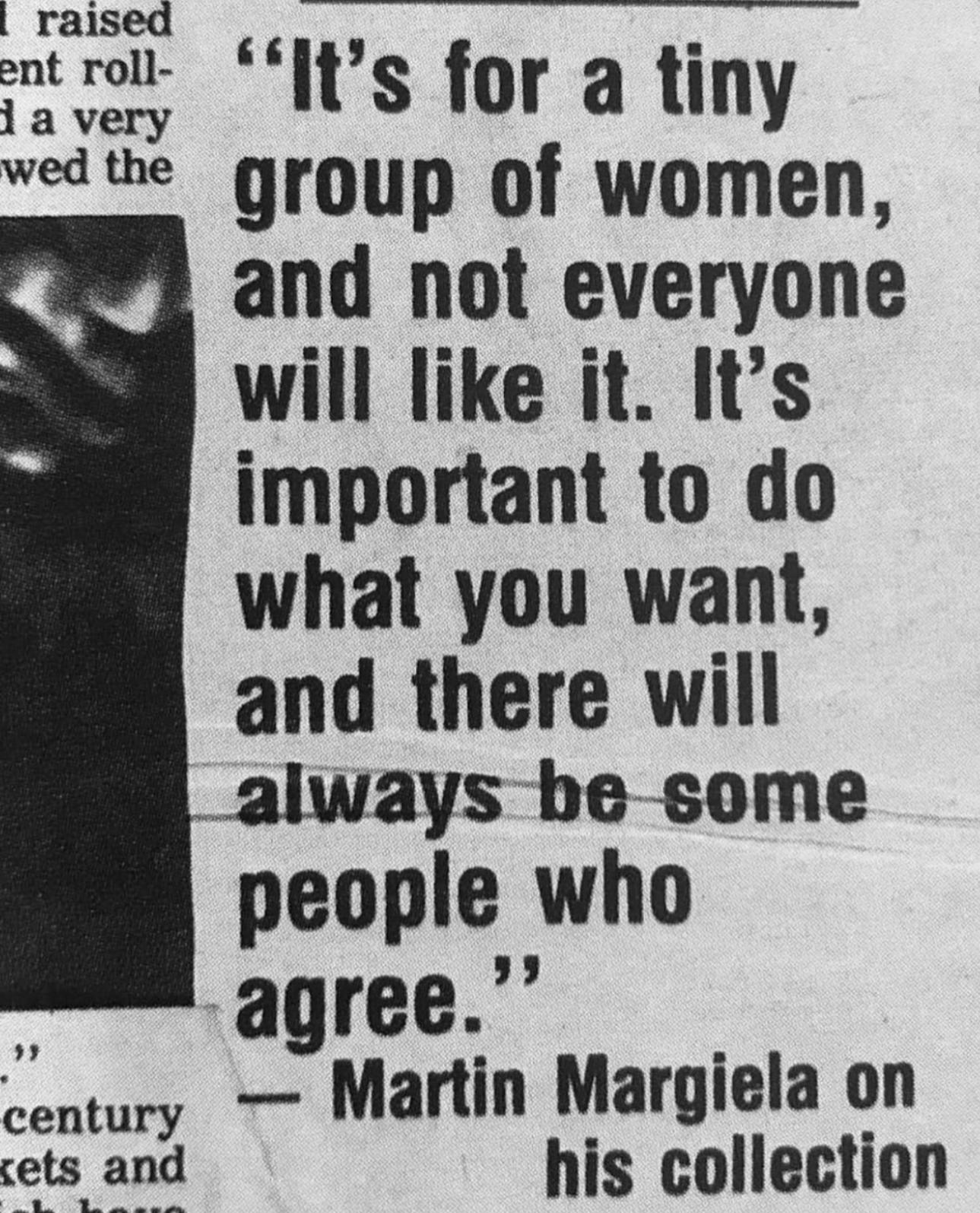
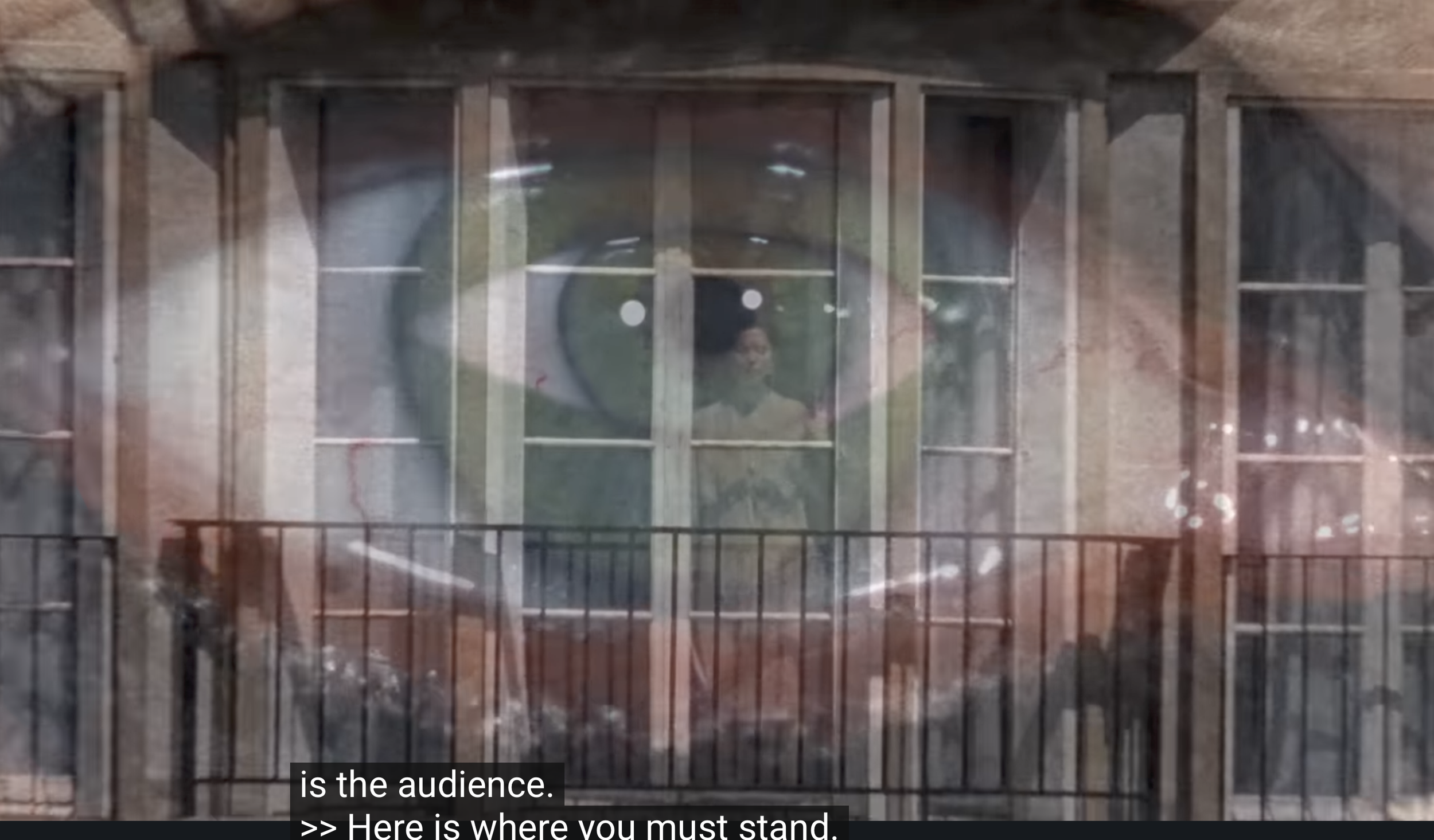
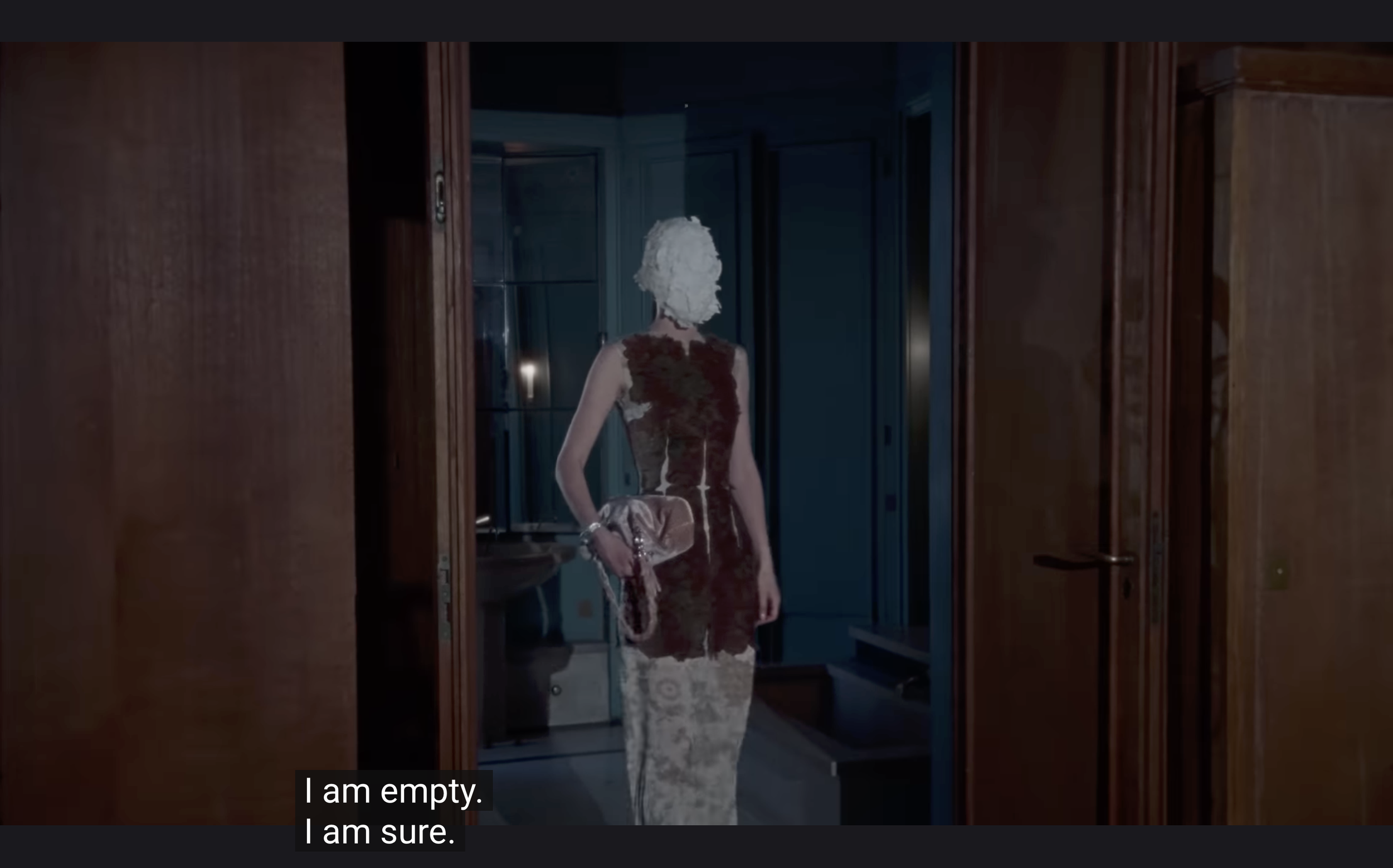
When I started my jewellery line, that kind of refusal gave independent designers permission to lean further into their own strangeness. The Margiela mask appeared regularly as an influence in their/our shoots and collections. It proved that an image didn't need to be immediately understood or particularly polite.
Objects gather meaning through repetition and return. The mask existed long before Margiela, but sustained attention transformed one particular use of it into a cultural object belonging unmistakably to the house.
I am not comparing four years of Dreadlings to thirty-five years of Margiela. Everyone remain calm.
But I recognize the mechanism. Strange Companions evolved by returning to the same figures, symbols and questions long enough for their meanings to accumulate, shift and occasionally exhaust me.
Sometimes an object becomes significant because someone refuses to abandon the strange thing.
LINKS FROM THE RUINS
The dead internet interests me less as a conspiracy theory than as a description of the ether. Recycled language, automated images, sponsored certainty and the same six opinions repeated until they resemble public consensus. Buried beneath it are people still preserving things the feed has no use for. Here are three examples:
What Are Zines Doing in a Museum?
Wellcome Collection looks at how museums can preserve zines without stripping away the unruly, personal knowledge that made them important. This includes the surprisingly radical proposition that creators should decide what their own work is.
Broken Ground: The Fall of the House of Usher
A thirteen-minute avant-garde film made in 1928 by two amateur filmmakers who abandoned conventional storytelling and tried to translate Poe’s claustrophobic dread directly into shape, movement and disintegrating images. It survived outside the history of commercial cinema and can now be watched in full.
A Year in the Metabolist Future of 1972
Two architects spent a year living inside Tokyo’s Nakagin Capsule Tower, a building designed to grow and change through replaceable units. None were ever replaced. The building was eventually demolished, but its failed future lives on through photographs, writing, preserved capsules, and the people who lived inside it.
Burn bright, crash spectacularly,
B
